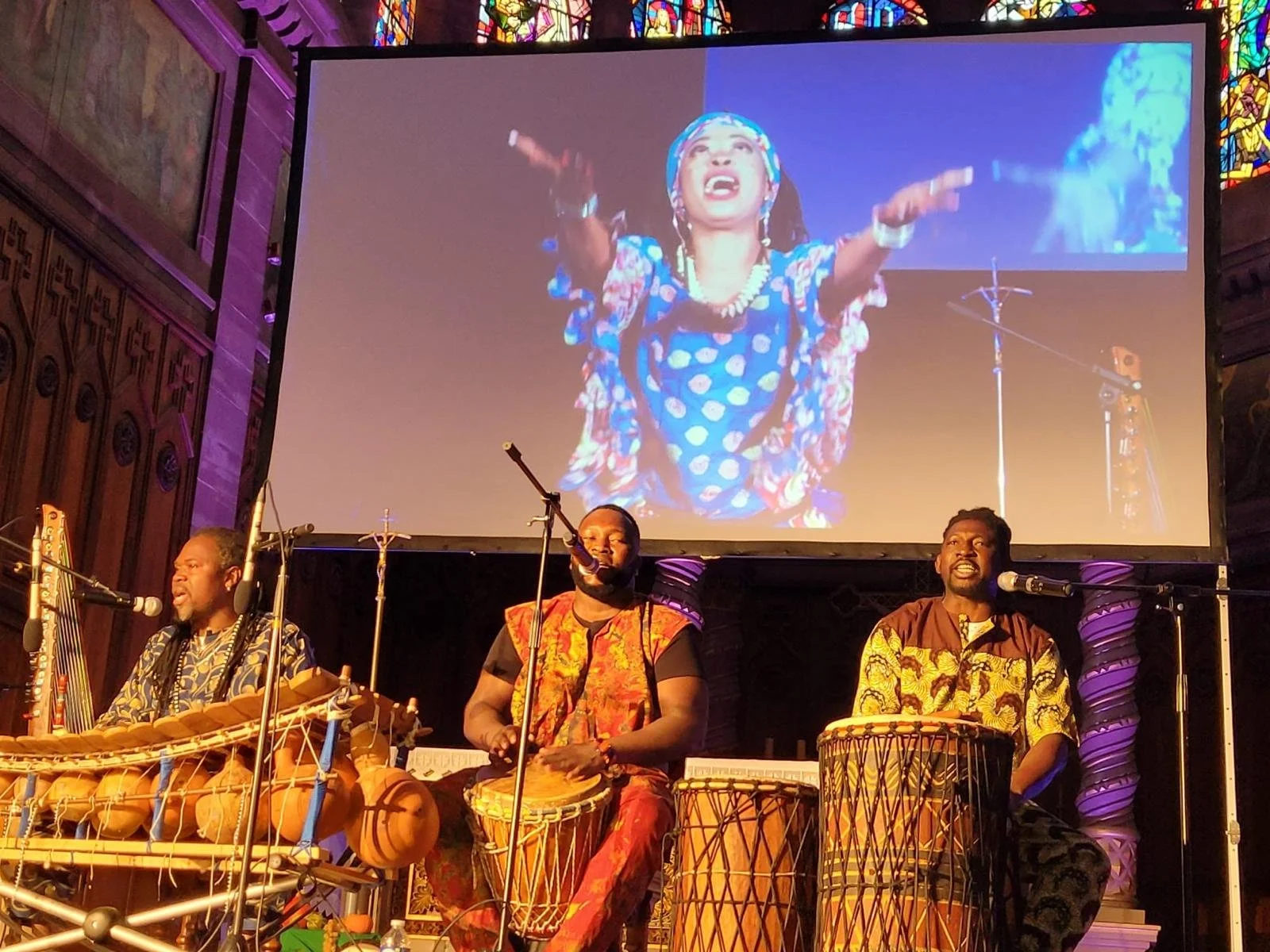
Heritage.
-
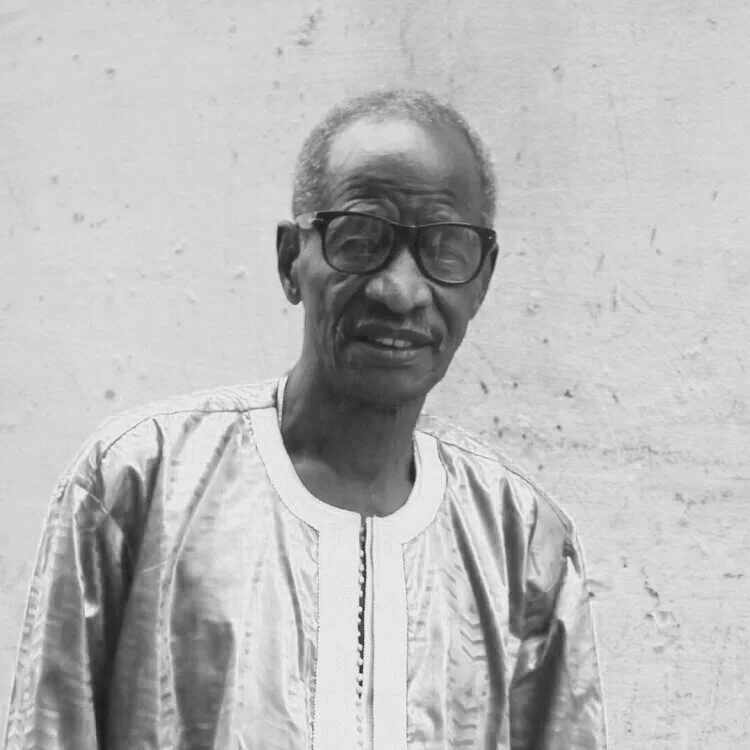
Bouly Sonko.
Awa’s father, Bouly Sonko was director of Senegal’s national ballet - La Ballet National du Senegal, from 1982 - 2004. For over three decades he led the company of 35 dancers and musicians presenting award-winning work at performance halls and arts festivals around the world. His defining work, the internationally acclaimed ‘Pangols’ - was described as an exploration of ‘the spiritual nature of all living things’ (New York Times).
Bouly’s work is a landmark in the history of West African performing arts and has influenced generations to explore the deep cultural meaning within music, dance and in the history of West African performing arts and has influenced generations to explore the deep cultural meaning within music, dance and theatre traditions.
-
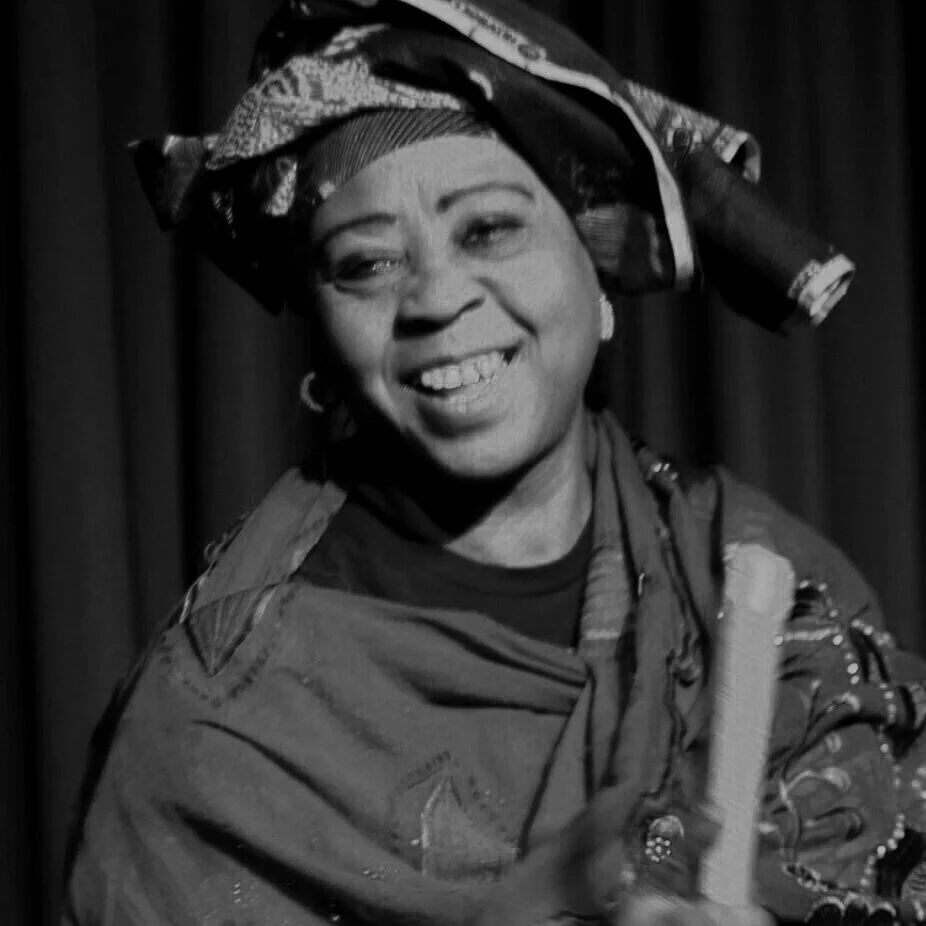
Oumi Sene.
Awa’s mother Oumy Sene was a revered Guewel elder. Her life was dedicated to preserving Senegalese traditional knowledge and fostering unity within her community. A celebrated dancer, known for her boundless energy and speed, Oumi captivated audiences as a performer in Senegal's national ballet, touring the world in the 1960s. Throughout her long career, Oumi continued to mentor and advocate for Senegalese artists. Her legacy continues to inspire and guide generations and will continue on through the lives of her children, grandchildren, community and all those who knew her.
As the world grapples with the challenges of modernity, the role of the Guewel Elder becomes even more vital. Oumy Sene’s life serves as a powerful reminder of the enduring value of tradition and knowledge and the importance of fostering unity and understanding.
‘Our culture will never be lost, it will go on and on and on, until the end of time’.
Oumi Sene 1947-2024.
-
The Sonko family.
The children of Bouly Sonko and Oumi Sene continue to perform, teach and explore the rich artistic traditions of Senegal and the legacy of their parent’s vision. They have sought to share their knowledge through workshops and festivals around the world.
You can find Sonko family members in Europe, North and South America and Australia.
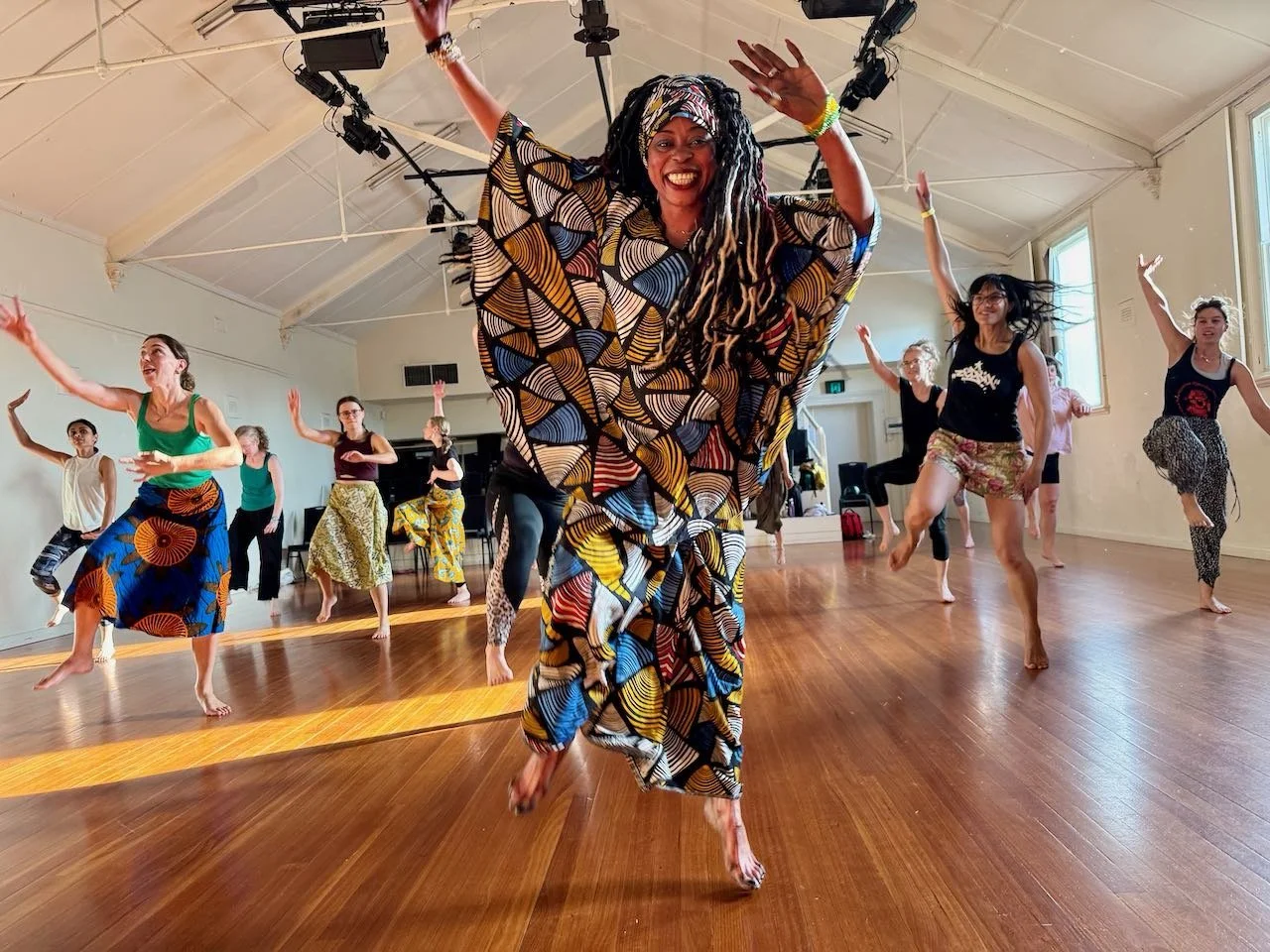
awa sonko.
Awa was born in Dakar, Senegal and spent her childhood in the Casamance region of southern Senegal. She is the eldest daughter of Oumi Sene and Bouly Sonko, one of eleven children.
The Sonkos are an internationally recognised family of artists, dancers, musicians and singers. The Sonko family can trace their artistic tradition back more than 800 years.
Awa’s first steps were dance steps. As a child she was notorious in her large and extended family for her irrepressible energy and love of dance. Awa was the child who couldn’t sit still. She was always dancing. She even exhausted her mother and father who were noted for their boundless energy.
Awa returned to Dakar as a young girl and professionally trained in the traditional Senegalese dance, theatre and song at the Fambondy theatre and ballet for traditional Senegalese Arts. She became a master in Casamance and Sabar dance traditions. Since 2004, Awa has also been teaching Zumba Afro Move, African Dance and Dun Dun (large drum) Dance.
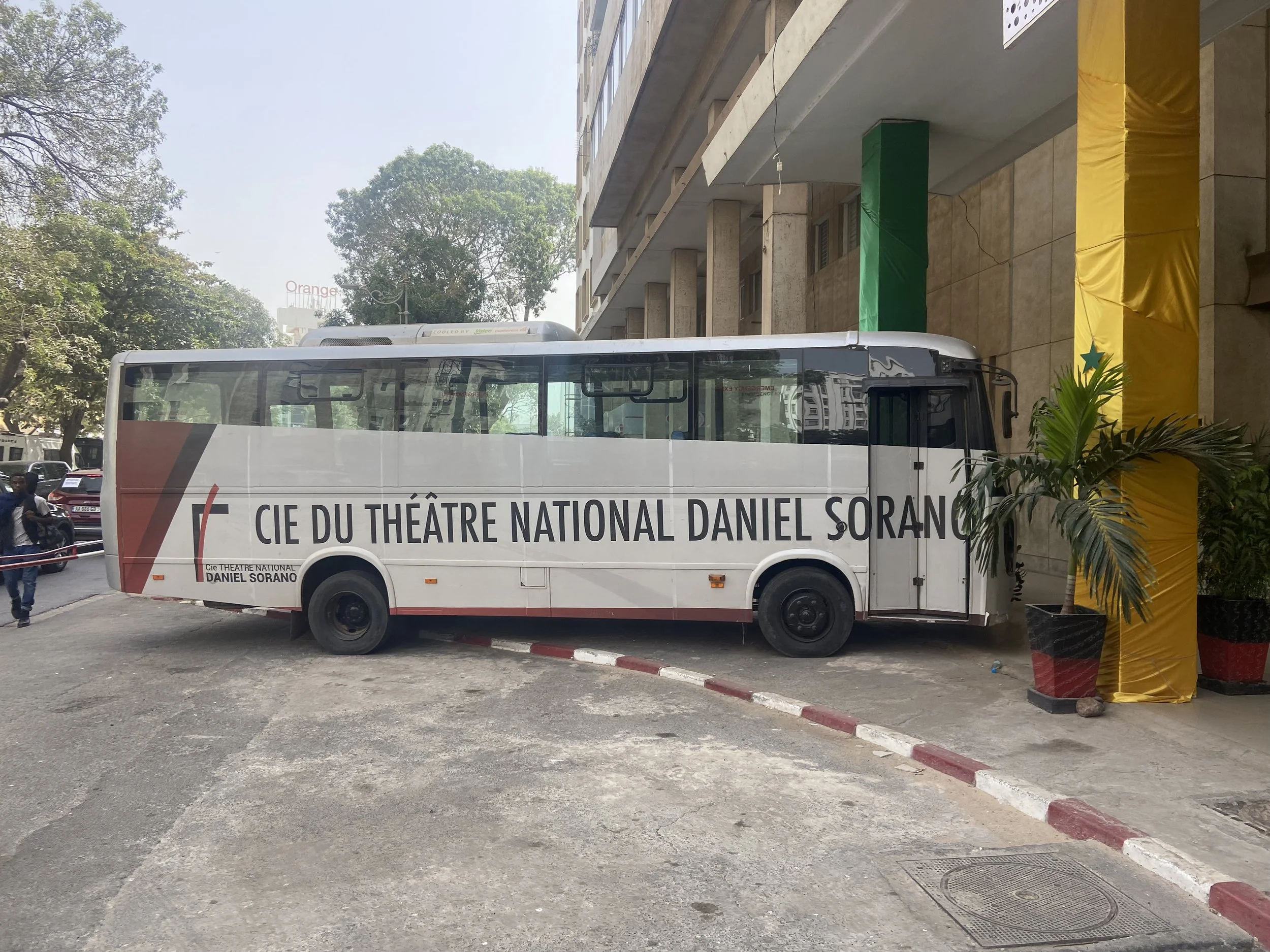
Oumi Sene and Bouly Sonko, are regarded as national living treasures in Senegal. They were the founders of the internationally recognised Daniel Sorano Theatre and ballet for traditional Senegalese Arts. During their careers they worked closely with Senegal’s founding president Léopold Sédar Senghor (an internationally recognised poet and cultural visionary). Awa’s mother laid the foundation stone for the theatre with President Senghor. Bouly was the Director for 30 years at Daniel Sorano and Oumi, the principal dancer. Bouly and Oumi also travelled the world with President Senghor performing as part of his many diplomatic missions.
Awa is based in Perth, Western Australia. She continues to teach dance workshops throughout Australia, Europe and west Africa. She has been representing the Waato Siita (‘time is now’) Dance Association in France since 2013.
The Guewel (Griot) artists of West Africa have served as oral historians, genealogists, storytellers, musicians and praise-singers for over seven centuries.’
Patricia Tang, ‘Masters of the Sabar’ 2005.